 Image 1 of 3
 Image 2 of 3
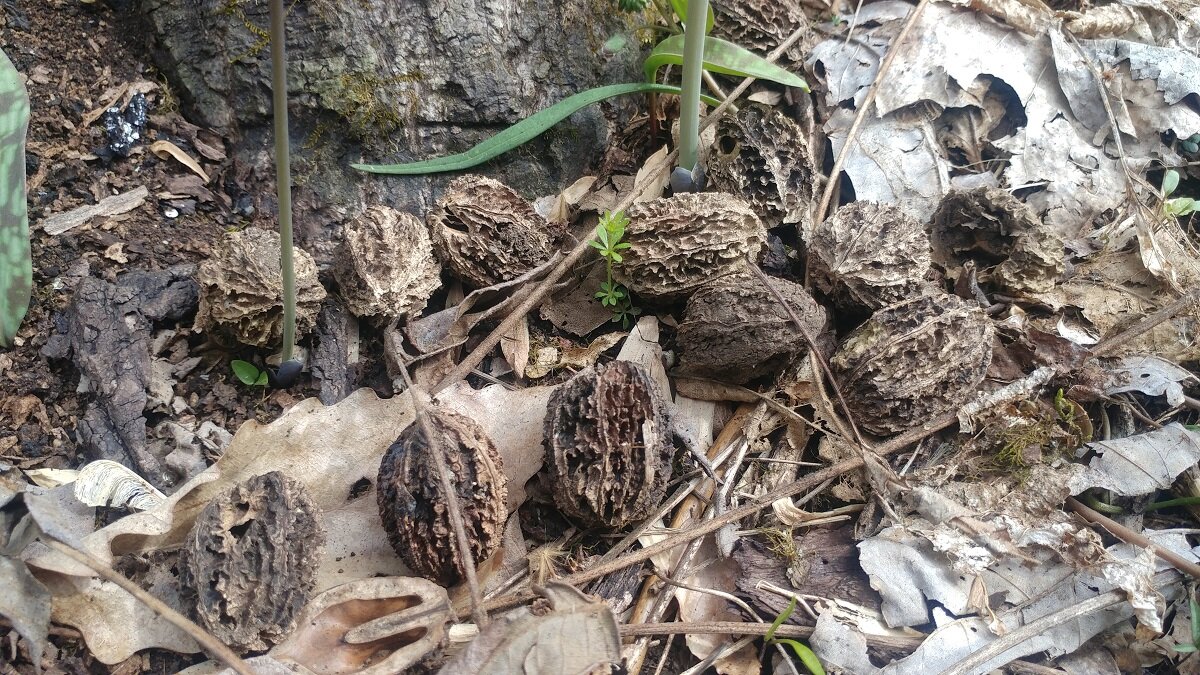 Image 3 of 3
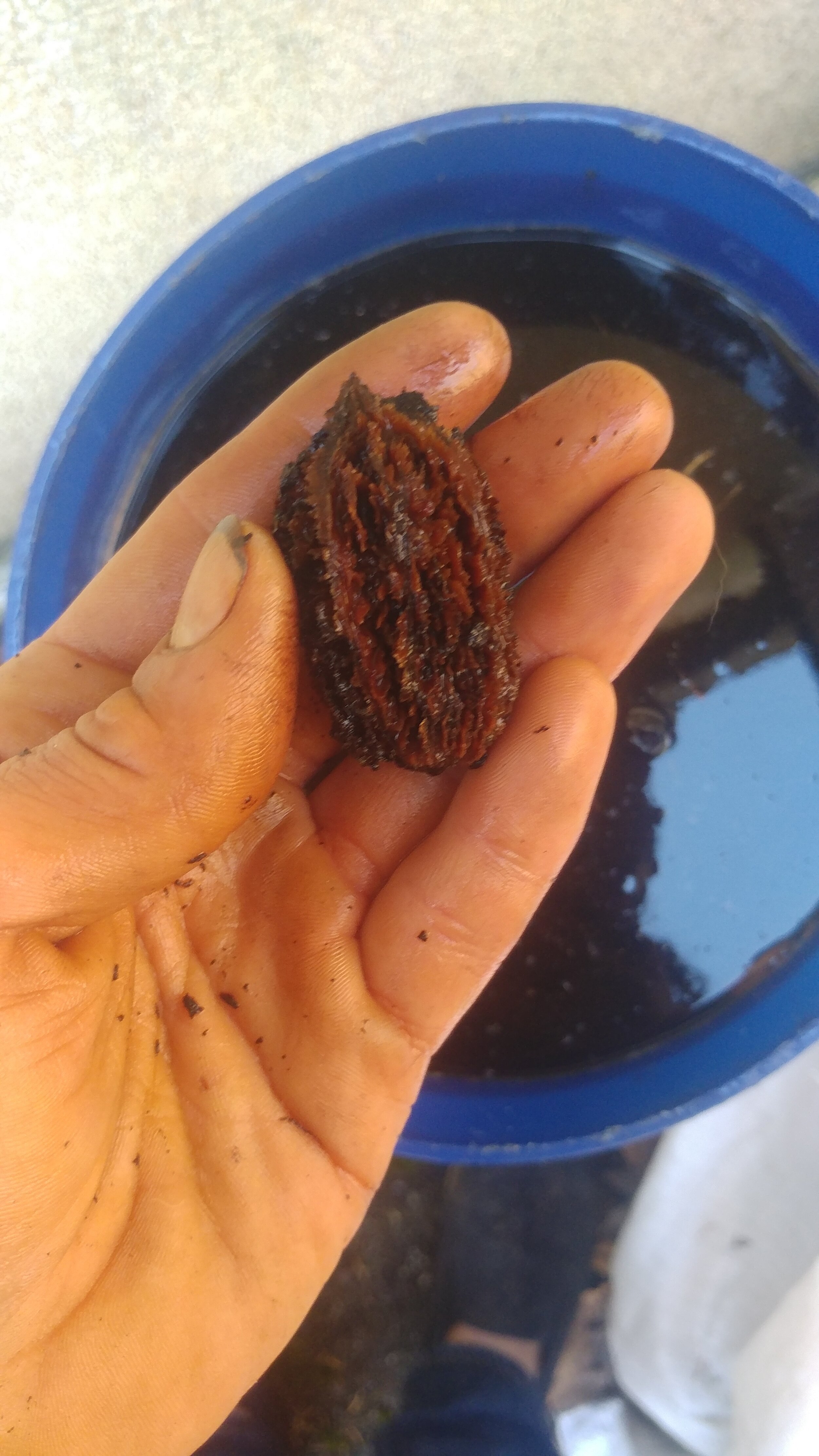
Our native butternut (Juglans cinerea) is a beautiful, but very rare tree these days. The bark of the tree is lighter in color than it’s distant sibling black walnut, and sometimes the bark is silvery-grey. The wood lacks the dark heart of black walnut, and it a light color like white oak, thus it is also known as “white walnut.” It is a strong but extremely light wood, similar to balsa, thus highly prized by woodworkers. The tree bears nuts, the meats of which can be difficult to extract whole, but which have an earthy, buttery, complicated flavor which is hard to describe and has to be tasted to understood. Butternuts are a favored food of humans in the north, in the mountains, and by some old timers!
Often Juglans cinerea hybridizes readily with Japanese and Mandchurian walnuts (J. ailantifolia and J. mandshurica respectively). While f1 hybrids are obvious, backcrosses and small introgressions can be difficult to discover with only the naked eye.
The hybrid trees are a mixed bag. On the one hand, our native Juglans cinerea is affected by a canker disease (Ophiognomonia clavigignenti-juglandacearum), a fungal pathogen which kills the trunks of our native butternut as it ages. The Asian walnuts are not affected, therefore hybrid trees tend to have robust resistance to the butternut canker. But the Asian trees have a different form, being short, spreading more “orchard type” trees, rather than our native butternut, which can achieve great heights as a timber tree integrated within our native forest architecture. Thus the fate of our native butternut is similar to the fate of our native chestnut.
These seedlings are grown from butternut parent trees that appear as the pure type for Juglans cinerea. The parent trees often exhibit some level of butternut canker resistance; however, I cannot often any guarantees that these seedlings will have resistance to butternut canker disease. While these may not live to be old trees, they grow fast and bear young, so you could establish a small grove of them and enjoy butternuts every fall.
Descriptions for these seedling trees / seedlots:
Juglans cinerea — the straight species, of unspecified parentage. Parent trees likely have no resistance to butternut canker.
Chiron — Juglans cinerea. The parent tree was planted by Curnan Crisman, who collected seed from the best butternuts he could find. This tree makes prize winning nuts of good size and decent crackability. So far the parent tree has does not have butternut canker.
Hidden Valley — Juglans cinerea. These parent trees are a grove in Conestoga, Pennsylvania. They are older trees with impressive height and size, and they make high quality nuts. The trees are unaffected by canker, and appear like the pure native species, so it is possible that they have some resistance, or more likely, some level of introgression.
Kenworthy — Juglans cinerea. An exceptionally large, easy cracking example of the species. Despite showing some traits considered typical of hybrids, it was tested by Jeanne Romero-Severson as pure Juglans cinerea. It is resistant to butternut canker.
Morehead — Juglans cinerea. Parent tree is in Morehead, Kentucky and studied for its butternut canker resistance. Seedlings may or may not carry resistance.
Butternut hybrid — butternut trees in the broad sense of the word, but leaf or nut characteristics display hybrid traits. All or mostly canker-resistant.
Mitchell hybrid — Juglans ailantifolia x Juglans cinerea (= Juglans x bixbyi). Seedlings from an f1 hybrid parent tree between butternut and Japanese walnut.
Other hybrids — Juglans ailantifolia x Juglans cinerea (= Juglans x bixbyi). F2 or backcrossed hybrid seedlings of no specific parentage.
The butternuts arrive bareroot as 1 year old seedlings and are 3-5’ tall with vigorous root systems. The hybrids are even bigger!
Our native butternut (Juglans cinerea) is a beautiful, but very rare tree these days. The bark of the tree is lighter in color than it’s distant sibling black walnut, and sometimes the bark is silvery-grey. The wood lacks the dark heart of black walnut, and it a light color like white oak, thus it is also known as “white walnut.” It is a strong but extremely light wood, similar to balsa, thus highly prized by woodworkers. The tree bears nuts, the meats of which can be difficult to extract whole, but which have an earthy, buttery, complicated flavor which is hard to describe and has to be tasted to understood. Butternuts are a favored food of humans in the north, in the mountains, and by some old timers!
Often Juglans cinerea hybridizes readily with Japanese and Mandchurian walnuts (J. ailantifolia and J. mandshurica respectively). While f1 hybrids are obvious, backcrosses and small introgressions can be difficult to discover with only the naked eye.
The hybrid trees are a mixed bag. On the one hand, our native Juglans cinerea is affected by a canker disease (Ophiognomonia clavigignenti-juglandacearum), a fungal pathogen which kills the trunks of our native butternut as it ages. The Asian walnuts are not affected, therefore hybrid trees tend to have robust resistance to the butternut canker. But the Asian trees have a different form, being short, spreading more “orchard type” trees, rather than our native butternut, which can achieve great heights as a timber tree integrated within our native forest architecture. Thus the fate of our native butternut is similar to the fate of our native chestnut.
These seedlings are grown from butternut parent trees that appear as the pure type for Juglans cinerea. The parent trees often exhibit some level of butternut canker resistance; however, I cannot often any guarantees that these seedlings will have resistance to butternut canker disease. While these may not live to be old trees, they grow fast and bear young, so you could establish a small grove of them and enjoy butternuts every fall.
Descriptions for these seedling trees / seedlots:
Juglans cinerea — the straight species, of unspecified parentage. Parent trees likely have no resistance to butternut canker.
Chiron — Juglans cinerea. The parent tree was planted by Curnan Crisman, who collected seed from the best butternuts he could find. This tree makes prize winning nuts of good size and decent crackability. So far the parent tree has does not have butternut canker.
Hidden Valley — Juglans cinerea. These parent trees are a grove in Conestoga, Pennsylvania. They are older trees with impressive height and size, and they make high quality nuts. The trees are unaffected by canker, and appear like the pure native species, so it is possible that they have some resistance, or more likely, some level of introgression.
Kenworthy — Juglans cinerea. An exceptionally large, easy cracking example of the species. Despite showing some traits considered typical of hybrids, it was tested by Jeanne Romero-Severson as pure Juglans cinerea. It is resistant to butternut canker.
Morehead — Juglans cinerea. Parent tree is in Morehead, Kentucky and studied for its butternut canker resistance. Seedlings may or may not carry resistance.
Butternut hybrid — butternut trees in the broad sense of the word, but leaf or nut characteristics display hybrid traits. All or mostly canker-resistant.
Mitchell hybrid — Juglans ailantifolia x Juglans cinerea (= Juglans x bixbyi). Seedlings from an f1 hybrid parent tree between butternut and Japanese walnut.
Other hybrids — Juglans ailantifolia x Juglans cinerea (= Juglans x bixbyi). F2 or backcrossed hybrid seedlings of no specific parentage.
The butternuts arrive bareroot as 1 year old seedlings and are 3-5’ tall with vigorous root systems. The hybrids are even bigger!