 Image 1 of 2
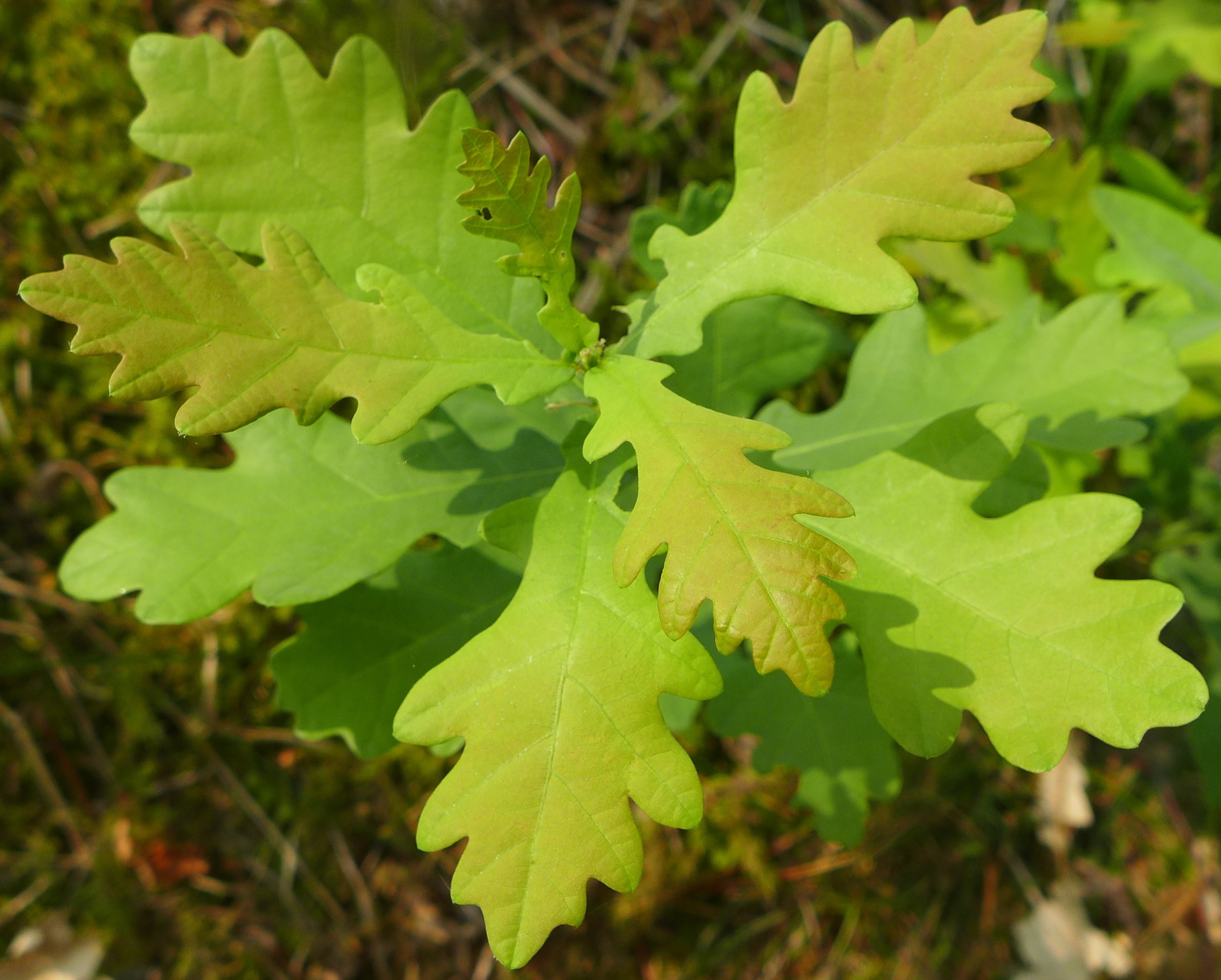 Image 2 of 2
Oaks grow fast and can bear at quite young ages, sometimes in as little as 3-4 years if type and conditions are right. Acorns from oaks feed wildlife or livestock, and can also be used to make acorn flour for humans. The oak tree provides the most ecological benefits of all our native trees, being the preferred host for a suite of bees, butterflies, moths, beetles, and other insects.
The following varieties of oak seedlings are described:
Bebb Oak — Quercus alba x Quercus macrocarpa (= Quercus x bebbiana). White oak x bur oak hybrids.
Bur Oak — Quercus macrocarpa.
Chestnut Oak aka Rock Oak — Quercus montana. Large, tannic acorns in the white oak group. Drop early in late summer. Hardy, strong trees.
English Oak — Quercus robur.
Fred’s Chinkabur — Chinquapin Oak x Bur Oak. These apical-dominant trees grow fast and bear young… as little as 3-4 years. Makes a large, low-tannin acorn great as hog feed.
Hershey Bur Oak — Quercus macrocarpa. From the beautiful bur oak trees John Hershey planted beside the Quaker Meeting in Downingtown, PA. One was recently cut down. The acorns these grew from were about the size of a golf ball, and round.
MacDaniel — a cross of Bur oak x English oak (with some Quercus alba no doubt in the mix too). These hybrid oaks are quite vigorous and make beautiful trees that absolutely dump large, low-tannin acorns.
MidMo #1 — a large bur oak from the middle of Missouri.
Ooti — a cross between Bur oak and Swamp Chestnut Oak (Quercus bicolor), or maybe Chinquapin Oak. Ooti is the Maidu word for acorn. This variety grows upright and fast and makes a big acorn similar to a bur oak, with low tannins. Very similar to Fred’s Chinkabur. Excellent for hog feed.
Saul Oak — Quercus alba x Quercus montana (= Quercus x saulii). A naturally occuring hybrid between white oak and chestnut oak.
Swamp Chestnut Oak — Quercus michauxii.
Swamp White Oak — Quercus bicolor.
Sweet Idaho — a Bur Oak from outside its range in the northwest of Idaho. Probably a hybrid. Makes a smaller bur oak type nut, which as the name suggests is low-tannin and has a flavor of subtle sweetness to it.
White oak — Quercus alba.
Bareroot seedling of the above will be 12-24” tall on average unless otherwise specified.
Oaks grow fast and can bear at quite young ages, sometimes in as little as 3-4 years if type and conditions are right. Acorns from oaks feed wildlife or livestock, and can also be used to make acorn flour for humans. The oak tree provides the most ecological benefits of all our native trees, being the preferred host for a suite of bees, butterflies, moths, beetles, and other insects.
The following varieties of oak seedlings are described:
Bebb Oak — Quercus alba x Quercus macrocarpa (= Quercus x bebbiana). White oak x bur oak hybrids.
Bur Oak — Quercus macrocarpa.
Chestnut Oak aka Rock Oak — Quercus montana. Large, tannic acorns in the white oak group. Drop early in late summer. Hardy, strong trees.
English Oak — Quercus robur.
Fred’s Chinkabur — Chinquapin Oak x Bur Oak. These apical-dominant trees grow fast and bear young… as little as 3-4 years. Makes a large, low-tannin acorn great as hog feed.
Hershey Bur Oak — Quercus macrocarpa. From the beautiful bur oak trees John Hershey planted beside the Quaker Meeting in Downingtown, PA. One was recently cut down. The acorns these grew from were about the size of a golf ball, and round.
MacDaniel — a cross of Bur oak x English oak (with some Quercus alba no doubt in the mix too). These hybrid oaks are quite vigorous and make beautiful trees that absolutely dump large, low-tannin acorns.
MidMo #1 — a large bur oak from the middle of Missouri.
Ooti — a cross between Bur oak and Swamp Chestnut Oak (Quercus bicolor), or maybe Chinquapin Oak. Ooti is the Maidu word for acorn. This variety grows upright and fast and makes a big acorn similar to a bur oak, with low tannins. Very similar to Fred’s Chinkabur. Excellent for hog feed.
Saul Oak — Quercus alba x Quercus montana (= Quercus x saulii). A naturally occuring hybrid between white oak and chestnut oak.
Swamp Chestnut Oak — Quercus michauxii.
Swamp White Oak — Quercus bicolor.
Sweet Idaho — a Bur Oak from outside its range in the northwest of Idaho. Probably a hybrid. Makes a smaller bur oak type nut, which as the name suggests is low-tannin and has a flavor of subtle sweetness to it.
White oak — Quercus alba.
Bareroot seedling of the above will be 12-24” tall on average unless otherwise specified.